
How to Choose the Right Staff Augmentation Partner
If you suffer from hiring gaps, it's the right time to augment your IT development team. Here's how to choose the right staff augmentation partner.
Our products
The compliance platform built by our cybersecurity practice. Its built-in AI automates the gap analysis for NIS2 and the Czech Cybersecurity Act.
Team augmentation
Amid growing hiring gaps, it pays to find a reliable team augmentation partner. Learn what team augmentation brings and what to look for in a partner.

Hiring gaps are widening and core teams need augmentation. A recent Robert Half survey shows that 95% of tech managers face significant challenges in sourcing skilled talent. Additionally, 69% have difficulty replacing employees in existing positions, and 29% encounter obstacles when trying to fill new tech roles. In this light, outsourcing and team augmentation are a must rather than an option in many cases. But when is the right time to augment your team, and what should you consider first?
Team augmentation involves outsourcing part of a software development project by adding external developers to a company's team. This can range from a single developer filling a specific skill gap to a whole remote team working with in-house staff.
This strategy is growing in popularity, with 92% of G2000 companies using IT outsourcing. By next year, spending on IT outsourcing is expected to reach $519 billion.
While IT services make up 72% of global outsourcing value, here are the areas that call for a team augmentation strategy the most.
Team augmentation is particularly useful for:
Unlike full project outsourcing, staff augmentation keeps core staff in place while supplementing them with remote developers. It can be a short-term fix or a long-term collaboration, depending on the project's needs.
According to Finmasters, companies can reduce labour costs by 70% to 90% through outsourcing non-core business functions, while cost savings are the most common reason for outsourcing.
Outsourcing has become a common strategy for businesses aiming to optimise costs and enhance operational efficiency. By delegating non-core functions to external providers, organisations can achieve substantial savings while focusing on core competencies.
The global outsourcing market is experiencing significant growth, projected to reach $1.1 trillion by 2025. This surge reflects a growing reliance on external services across diverse industries. The IT sector drives the outsourcing trend, with companies allocating an average of 13.6% of their IT budgets to external providers.
Beyond cost reduction, outsourcing offers numerous benefits. By delegating tasks such as recruitment and HR, businesses can simplify operations, reduce staff numbers and increase satisfaction. Additionally, outsourcing non-essential functions can accelerate product launches by up to 25%. Access to a global talent pool is another advantage: it gives companies specialised skills and expertise.
Even when you have your research done and decide to look for a reliable team augmentation partner, there are several core aspects you need to consider.
Do we have what it takes to exceed your Team Augmentation expectations? See, for example, the team we provided to Heureka Group. Let's schedule a call and learn more about your upcoming success story.
If you suffer from hiring gaps, it's the right time to augment your IT development team. Here's how to choose the right staff augmentation partner.
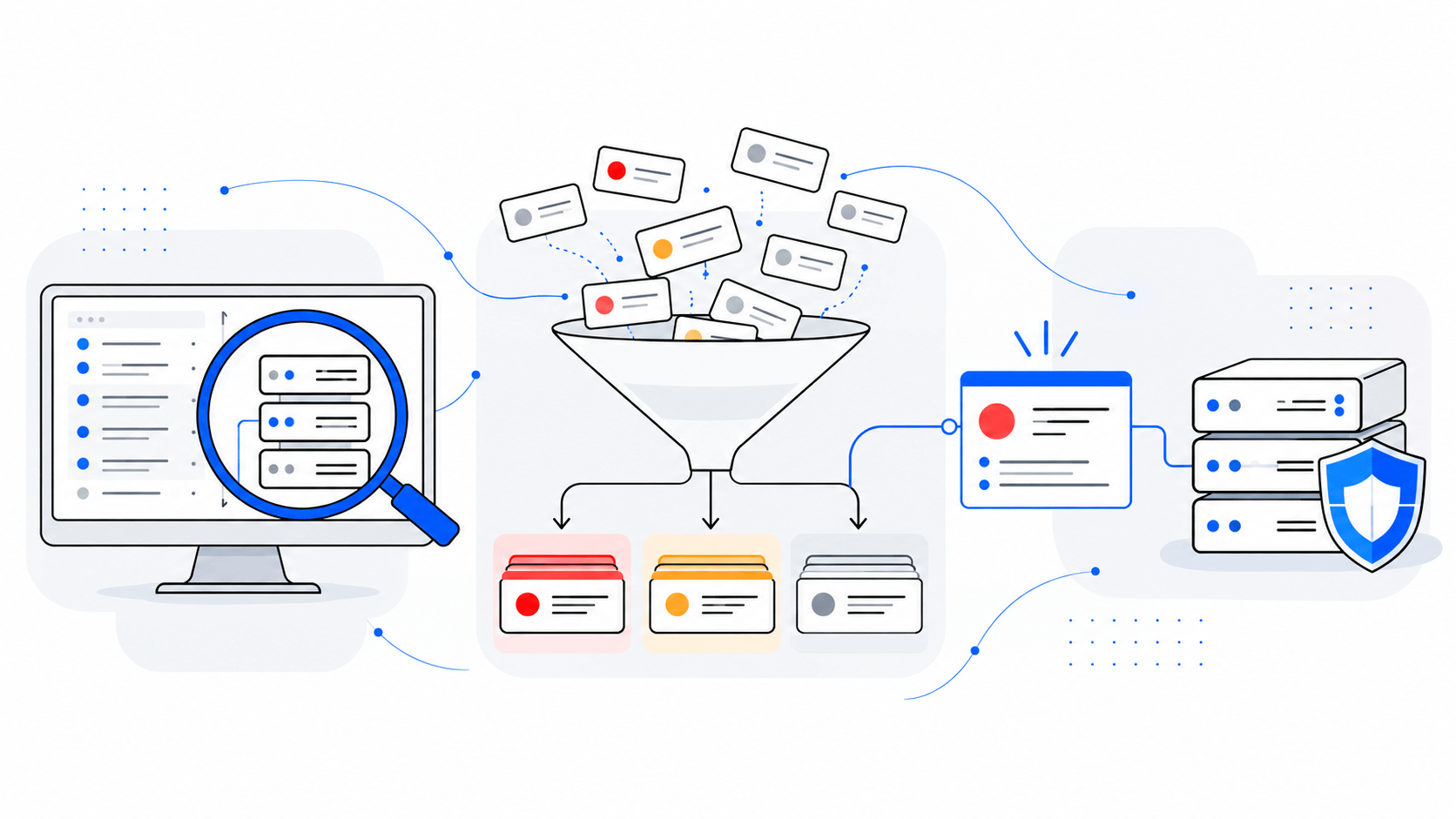
Decide what to fix first after a vulnerability scan. Prioritise findings by asset criticality, exposure and business risk, then verify remediation.
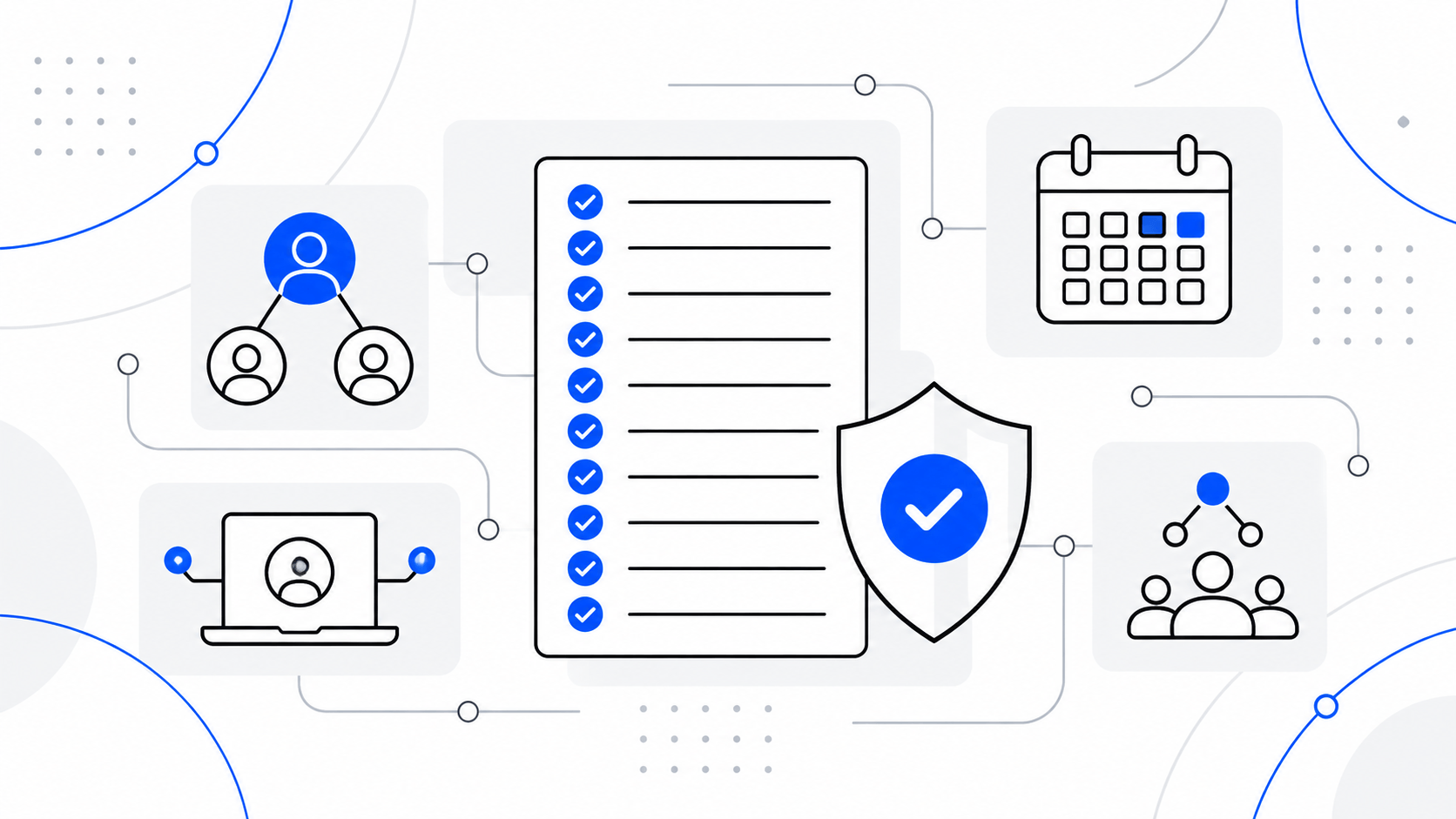
What should you prepare in the first year after registering a regulated service? A ZoKB checklist covering risks, security measures, incidents and recovery.
Tell us what you need to secure, automate, build or staff. A senior consultant will get back to you.
 Aleš PoláčekCEO, Whirr Crew
Whirr Crew s.r.o., Rybná 716/24, 110 00 Praha 1