
Team Augmentation: How to Bridge the Hiring Gap with Ease (And Save Costs)
Amid growing hiring gaps, it pays to find a reliable team augmentation partner. Learn what team augmentation brings and what to look for in a partner.
Our products
The compliance platform built by our cybersecurity practice. Its built-in AI automates the gap analysis for NIS2 and the Czech Cybersecurity Act.
Team augmentation
If you suffer from hiring gaps, it's the right time to augment your IT development team. Here's how to choose the right staff augmentation partner.

When a company decides to augment its staff or build a distributed engineering team, the first objective should be finding a vendor that understands its specific staffing needs. A company’s outsourcing strategy is unique, and the IT staffing agency it hires should be equally flexible and resourceful.
Before going further, let’s make sense of the differences between staff augmentation and outsourcing.
Staff Augmentation involves hiring temporary employees to meet immediate demands, such as a tech company bringing on extra developers for a critical project. The hiring organisation retains control over the project and integrates these temporary staff into their existing team.
Outsourcing, on the other hand, entails delegating entire functions or processes to a third-party vendor, often in a different country. For example, a U.S. business might outsource its IT support to a team in Central Europe. Here, the vendor manages and delivers the project using their own methods.
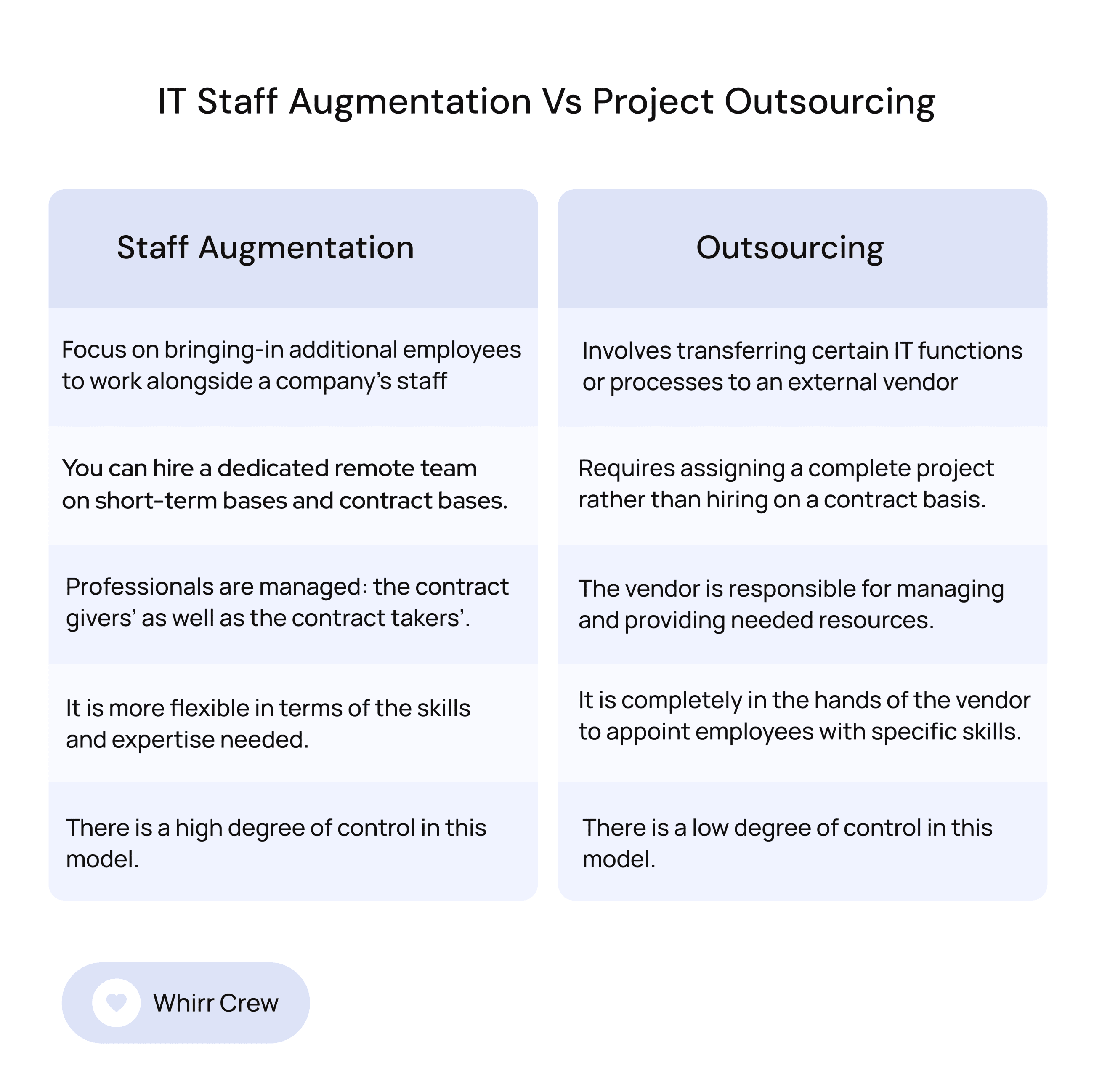
Start by evaluating your company's staffing requirements. Determine the scope of your projects and identify skill gaps. Consult with HR, managers, and employees to create a staffing blueprint that outlines essential outsourcing needs on a project-by-project basis. Once you have your staffing challenge defined, you can decide whether you need to hire a full-time employee, augment your team or simply outsource some tasks to freelancers or agencies.
When turning to a third party for staffing, you naturally want top-notch professionals within your budget constraints. Therefore, it’s essential to scrutinise your prospective partner’s screening, selection, and hiring processes. Ensure their standards meet or exceed your own, particularly for highly technical roles.
Having a structured approach to assessing partners can prevent you from getting lost in endless Google searches. For larger enterprises, a rigorous procurement process may already be in place. Smaller organisations might need to create a checklist to evaluate potential partners effectively.
Here is what to check:
Verify a potential staffing partner’s experience in your field. Review their credentials, consult previous clients, and read testimonials on third-party review sites like Clutch or Glassdoor. Ensure they have the expertise to handle your specific staffing needs and manage distributed teams.
Depending on your staffing requirements, consider onshore, offshore, or hybrid staffing solutions. Choose a vendor with the connections, experience, and infrastructure to recruit, hire, and manage remote staff globally. That gives you access to top talent within your budget.
Many clients report poor experiences with vendors due to inadequate communication. Some consulting groups focus solely on securing the contract, then let communication lapse once the deal is done. Avoid such partners. Continuous, clear communication is vital to maximise the benefits of augmented staff and ensure they integrate well into your team.
Look for simple, clearly defined procedures that keep all parties connected, keep work moving and allow for regular updates and adjustments based on feedback.
Ensure the staffing agency is committed to data and IP security. Reputable vendors should have NDAs, thoroughly vet temporary hires, and train staff on security procedures. This protects your data while you build a distributed team.
Avoid vendors offering standardised contracts. Instead, choose a firm that adapts agreements to your business needs and can meet your development schedule. They should provide detailed outsourcing plans, skilled staff, and reliable IT services promptly.
Don’t shy away from grilling potential partners on the essential factors discussed above. Ensure they can build a relationship with you that considers all these elements.
Select a staffing partner that fits your specific requirements. Avoid one-size-fits-all approaches by evaluating your needs, researching vendor expertise, and considering global reach, communication, security, contracts, and cultural compatibility.
Ready to talk? Discuss your project with us today.
Amid growing hiring gaps, it pays to find a reliable team augmentation partner. Learn what team augmentation brings and what to look for in a partner.
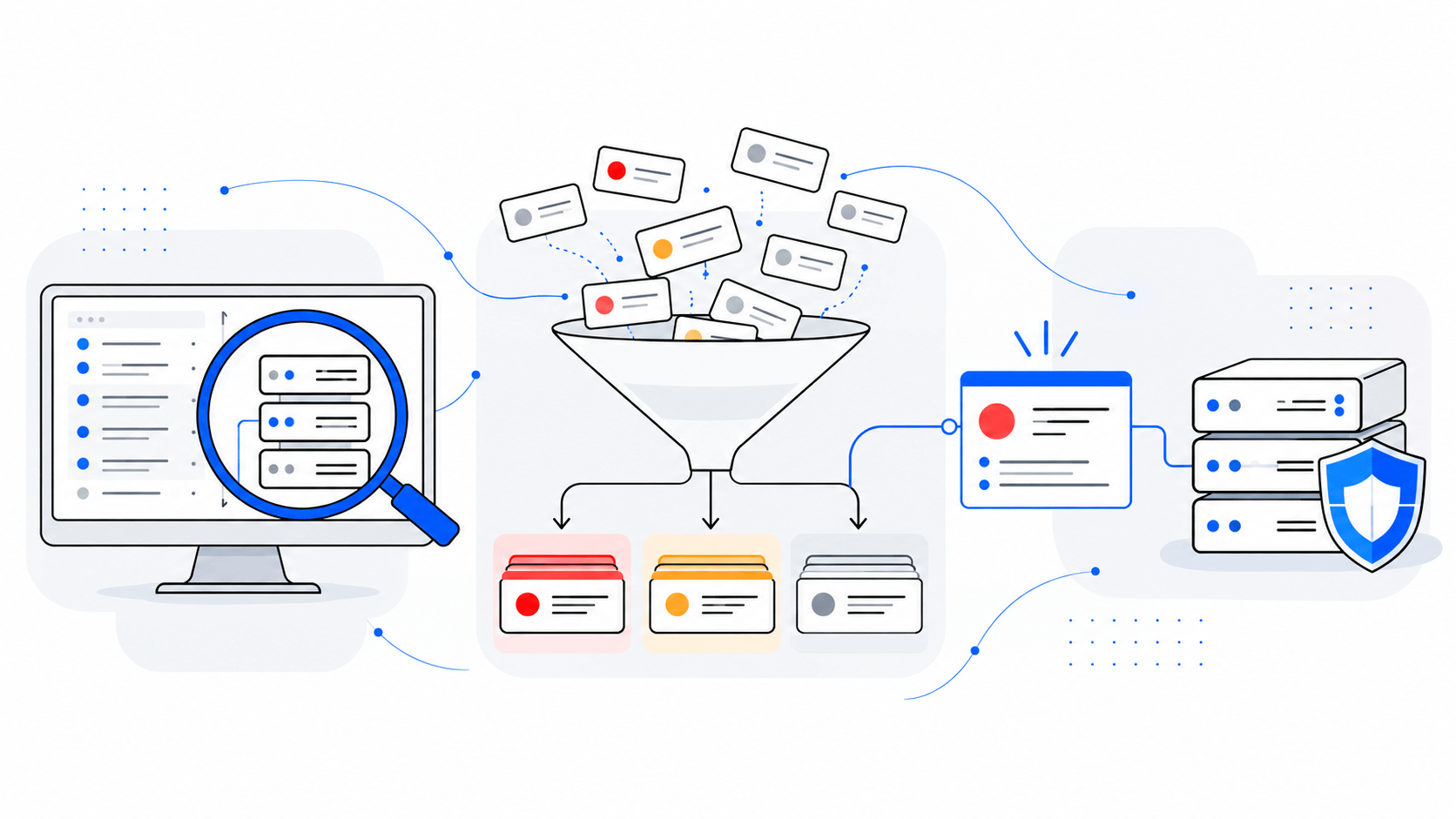
Decide what to fix first after a vulnerability scan. Prioritise findings by asset criticality, exposure and business risk, then verify remediation.
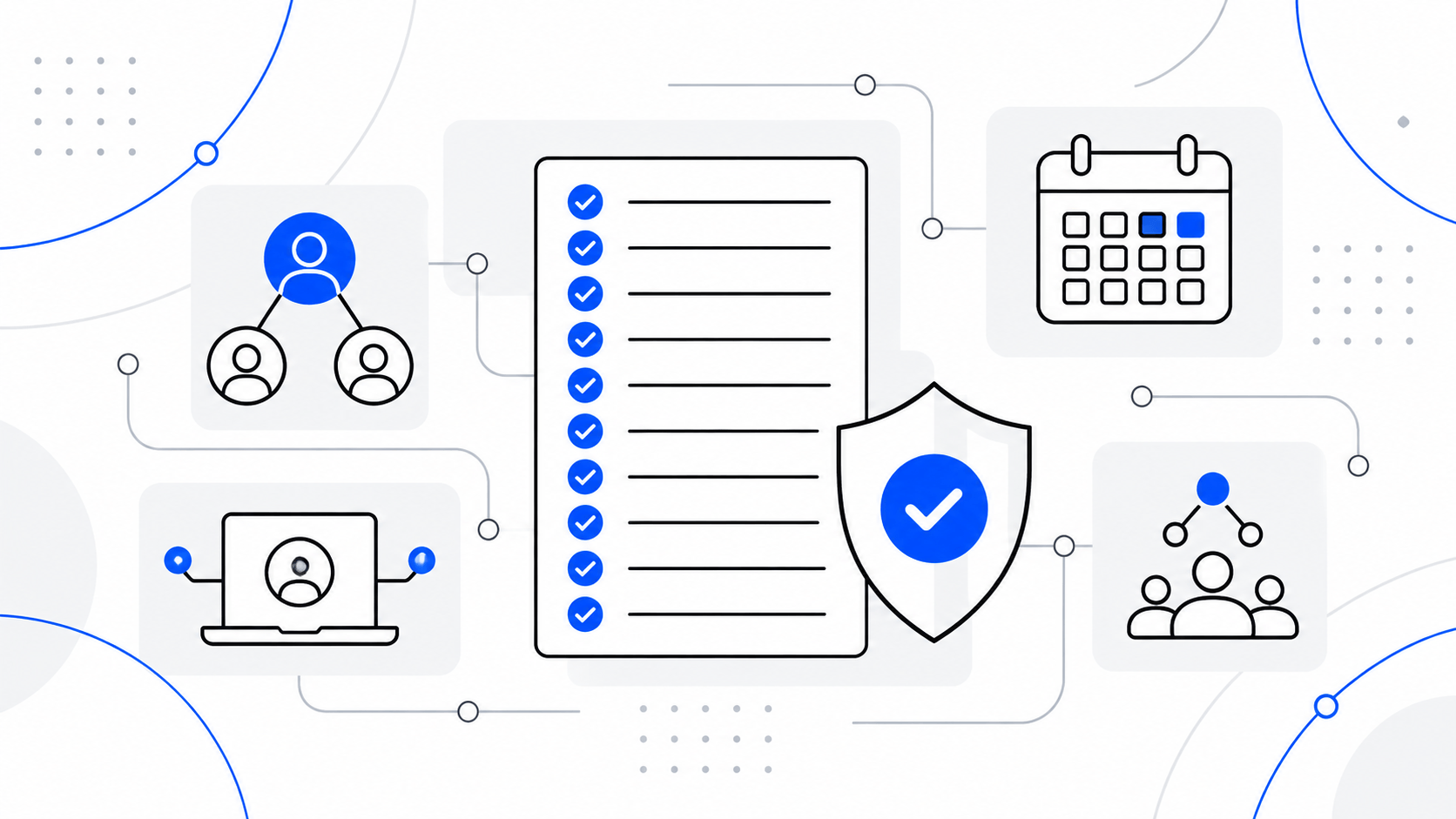
What should you prepare in the first year after registering a regulated service? A ZoKB checklist covering risks, security measures, incidents and recovery.
Tell us what you need to secure, automate, build or staff. A senior consultant will get back to you.
 Aleš PoláčekCEO, Whirr Crew
Whirr Crew s.r.o., Rybná 716/24, 110 00 Praha 1