From Vulnerability Scanning to Remediation: How to Decide What to Fix First
Decide what to fix first after a vulnerability scan. Prioritise findings by asset criticality, exposure and business risk, then verify remediation.
Our products
The compliance platform built by our cybersecurity practice. Its built-in AI automates the gap analysis for NIS2 and the Czech Cybersecurity Act.
Cybersecurity
The main findings of IBM’s 2024 report on the cost of data breaches, what they mean for cybersecurity and the role of AI in protecting your data.

The 2024 Cost of a Data Breach Report by IBM and Ponemon Institute paints a stark picture of cybersecurity in 2024. While AI is emerging as a potent tool for cost savings, the overall cost of data breaches continues to rise. Adopting AI, addressing the skills gap and managing data proactively are the main steps towards reducing breach costs. Here are the report’s main findings.
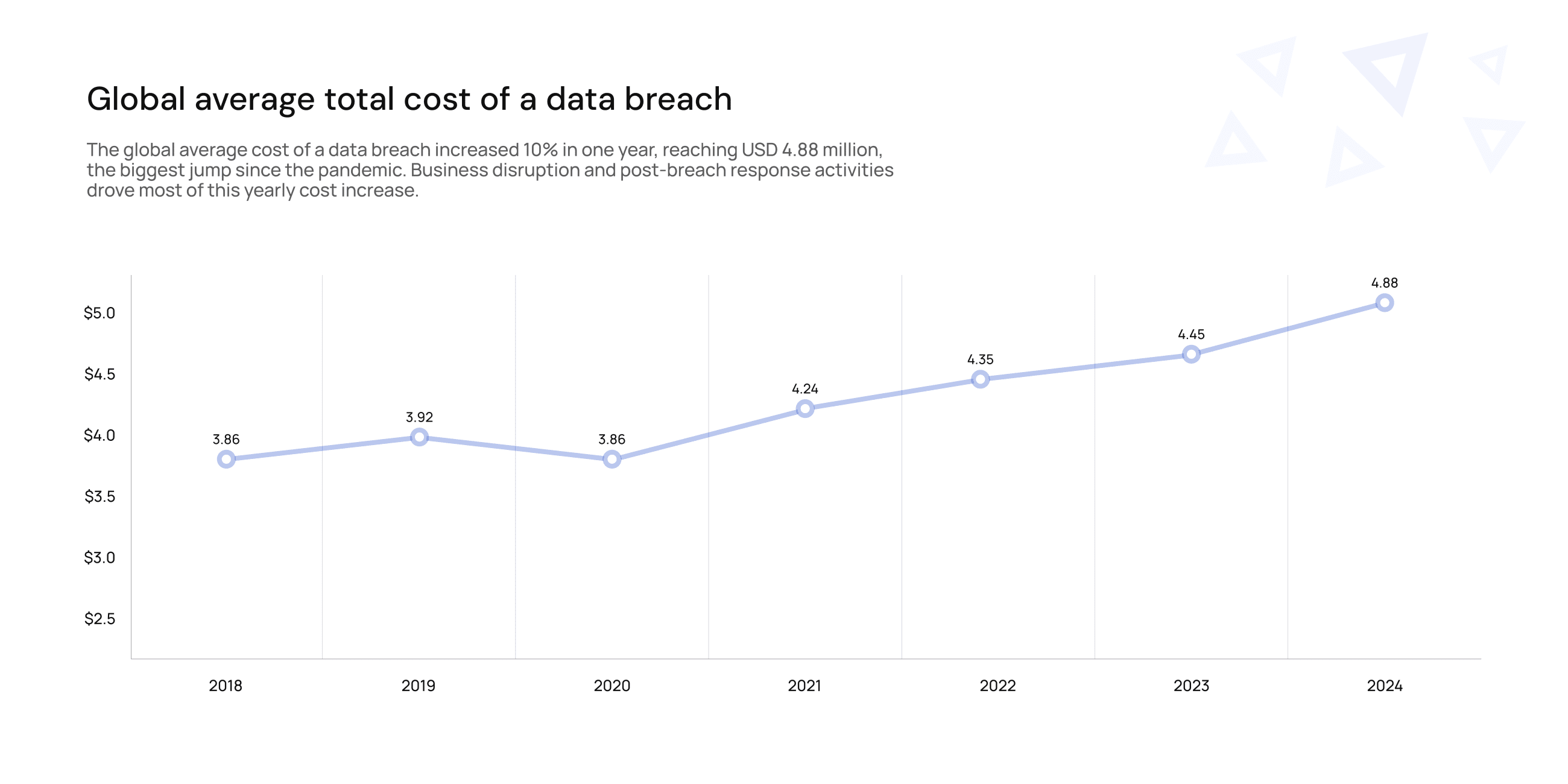
The average cost of data breaches has been on a steady upward trajectory, reaching a record high of USD 4.88 million in 2024. That is 10% more than the previous year's average of USD 4.45 million and the largest increase since the onset of the pandemic. Several factors have contributed to this rise.
One major factor driving the increase in data breach costs is the growing financial impact of lost business. Operational downtime and customer attrition play significant roles in this regard. When a data breach occurs, businesses often experience disruptions to their operations, leading to lost productivity, reputational damage, and a decline in customer trust. These disruptions can result in substantial financial losses, as customers may choose to take their business elsewhere.
Another factor contributing to the increase in data breach costs is the rising cost of post-breach response activities. These activities include staffing customer service help desks to address inquiries and concerns from affected individuals, as well as paying higher regulatory fines imposed by government agencies for non-compliance with data protection regulations. These costs can add up quickly, further exacerbating the financial burden of data breaches.
The combined cost of lost business and post-breach activities reached USD 2.8 million in 2023, the highest combined amount recorded over the past six years.
The extensive use of artificial intelligence (AI) in prevention has led to significant cost savings for organisations. According to a recent study, 2 out of 3 organisations surveyed are deploying security AI and automation across their security operations centre (SOC), representing a 10% increase from the previous year.
When AI is deployed extensively across prevention workflows, including attack surface management (ASM), red teaming, and posture management, organisations incur an average of USD 2.2 million less in breach costs compared to those with no AI use in prevention workflows. This was the largest cost saving revealed in the 2024 report.
AI in prevention can help organisations to:
In addition to cost savings, AI can also help organisations to improve their security posture and reduce their risk of being breached. By automating many of the tasks involved in security operations, AI can free up security analysts to focus on more strategic tasks. AI can also help organisations to make better decisions about how to allocate their security resources.
The cyber skills shortage affects organisations across industries. More than half of organisations that have experienced data breaches are grappling with severe security staffing shortages, a significant increase compared to the previous year. This situation has resulted in an average of USD 1.76 million more in breach costs for affected organisations.
Despite the emergence of generative AI (gen AI) security tools, which are designed to enhance productivity and efficiency, the skills gap remains a significant challenge. While 1 in 5 organisations report using some form of gen AI security tools, the shortage of skilled professionals capable of effectively deploying and managing these tools persists.
Rapid technological advancements and the growing sophistication of cyber threats have outpaced the development of qualified professionals in the field. Cybersecurity keeps changing, and professionals have to keep up with the latest tools, techniques and best practices. Additionally, the high demand for skilled cybersecurity professionals has created a competitive job market, making it challenging for organisations to attract and retain top talent.
The recent World Economic Forum Whitepaper reported growth of 12.6% in the global cybersecurity workforce from 2022 to 2023. Despite this growth, the white paper points to a shortage of approximately four million skilled workers in the cybersecurity industry worldwide.
To address the cyber skills shortage, a concerted effort is required from various stakeholders, including educational institutions, industry professionals, and government agencies. Educational institutions need to develop specialised programmes that provide students with the necessary skills and knowledge to succeed in cybersecurity careers. Industry professionals should engage in mentorship and training initiatives to nurture the next generation of cybersecurity experts. Government agencies can help by providing funding for research and development, as well as implementing policies that promote the development of a skilled cybersecurity workforce.
The proliferation of data, particularly shadow data, poses significant challenges to organisations in terms of data tracking, safeguarding, and breach response. In a recent study, it was found that 35% of data breaches involved shadow data.
Shadow data theft was identified as a factor contributing to a 16% higher cost of a data breach.
The IBM report also found that storing data across multiple environments, such as public cloud, on-premises, and private cloud, proved to be a common storage strategy. However, this practice was associated with a higher risk of data breaches, accounting for 40% of all breaches. Furthermore, these breaches took longer to identify and contain compared to breaches involving data stored in a single type of environment.
In contrast, data stored in just one type of environment, whether public cloud (25%), on-premises (20%), or private cloud (15%), experienced lower breach rates. This suggests that organisations should carefully consider their data storage strategies and minimise the number of environments in which data is stored to reduce the risk of data breaches.
The study's findings point to three things: data governance that prevents the proliferation of shadow data, sound data security measures, and regular monitoring and auditing of data access and storage.
The research revealed a concerning trend in data breaches involving customer personal information (PII) and intellectual property (IP) records. Nearly half (49%) of all breaches analysed involved the compromise of sensitive PII, including tax identification numbers, email addresses, phone numbers, and home addresses.
In terms of the cost associated with data breaches, the study found a significant increase in the cost of IP records. The average cost per IP record jumped from USD 156 in the previous year's report to USD 173 in the current study. This suggests that organisations need to prioritise the protection of their IP assets, as breaches involving these records can result in significant financial losses.
The findings of the research underscore the urgent need for businesses to strengthen their cybersecurity measures and data protection practices. Organisations should focus on implementing strict access controls, encrypting sensitive data, regularly updating software and systems, and conducting regular security audits to identify and address potential vulnerabilities. Failure to do so could result in costly data breaches, reputational damage, and legal consequences.
Additionally, individuals should exercise caution when sharing their personal information online and be wary of phishing scams and other malicious activities. Using strong passwords, enabling two-factor authentication, and being vigilant about suspicious emails and websites can help protect against data breaches and identity theft.
Breaches involving stolen or compromised credentials pose a significant challenge to organisations, as they often take the longest to identify and contain compared to other attack vectors. On average, it takes 292 days for organisations to detect and mitigate breaches involving stolen credentials, making them among the most time-consuming and difficult incidents to resolve.
Phishing attacks, which involve sending fraudulent emails or messages to trick users into revealing sensitive information or clicking on malicious links, also pose a substantial threat. These attacks often target employees and take advantage of their access to sensitive systems and data. On average, phishing attacks remain active within an organisation for approximately 261 days, making them one of the longest-lasting attack vectors.
Similarly, social engineering attacks, which involve manipulating individuals into divulging confidential information or taking specific actions, also take a considerable amount of time to resolve. These attacks typically target employees and exploit their trust and willingness to help others. On average, social engineering attacks persist within an organisation for 257 days, making them another persistent and challenging attack vector to address.
Organisations need security measures that protect against these types of attacks. This includes educating employees about the risks of stolen credentials, phishing, and social engineering, as well as implementing strong authentication mechanisms and regularly monitoring for suspicious activities.
In comparison to other attack vectors, malicious insider attacks resulted in the highest costs, averaging USD 4.99 million.
Among the other costly attack vectors identified were business email compromise, phishing, social engineering, and stolen or compromised credentials. These vectors often involve exploiting human vulnerabilities or weaknesses in security protocols to gain unauthorised access to sensitive information or systems.
The emergence of generative artificial intelligence (Gen AI) has added a new dimension to these attack vectors, particularly phishing. Gen AI allows even non-native English speakers to easily create grammatically correct and plausible phishing messages, making it increasingly challenging for users to identify malicious emails.
For instance, Gen AI can generate convincing subject lines, body text, and even attachments that appear legitimate but are designed to trick recipients into revealing personal or financial information. This poses a significant challenge for organisations as it increases the likelihood of successful phishing attacks and subsequent data breaches.
To mitigate the risks associated with malicious insider attacks and other sophisticated attack vectors, organisations need a cybersecurity strategy that includes:
Ransomware attacks have become increasingly prevalent in recent years, with cybercriminals targeting businesses and organisations of all sizes. While ransomware can be a devastating event, resulting in significant financial losses and operational disruptions, there is evidence that involving law enforcement can help reduce the cost of the breach and shorten the time required to identify and contain it.
According to a recent study by Coveware, a ransomware recovery firm, ransomware victims that involved law enforcement ended up lowering the cost of the breach by an average of nearly USD 1 million. This excludes the cost of any ransom paid, which can often amount to hundreds of thousands or even millions of dollars.
The study also found that involving law enforcement helped shorten the time required to identify and contain breaches from 297 days to 281 days. This is a significant improvement, as it can help organisations minimise the impact of the attack and get their operations back up and running more quickly.
There are several reasons why involving law enforcement can be beneficial in the event of a ransomware attack. First, law enforcement agencies have the resources and expertise to track down cybercriminals and recover stolen data. They can also work with other law enforcement agencies around the world to coordinate investigations and share intelligence.
Second, involving law enforcement can help deter future attacks. When cybercriminals know that they are likely to be caught and prosecuted, they are less likely to target organisations. Third, law enforcement can provide support and guidance to victims of ransomware attacks. They can help organisations develop a response plan, negotiate with cybercriminals, and recover their data.
Of course, involving law enforcement is not always the right decision. In some cases, it may be more important to focus on recovering data and minimising disruption to operations. However, for organisations that are able to involve law enforcement, it can be a valuable resource in the fight against ransomware.
Here are some tips for involving law enforcement in a ransomware attack:
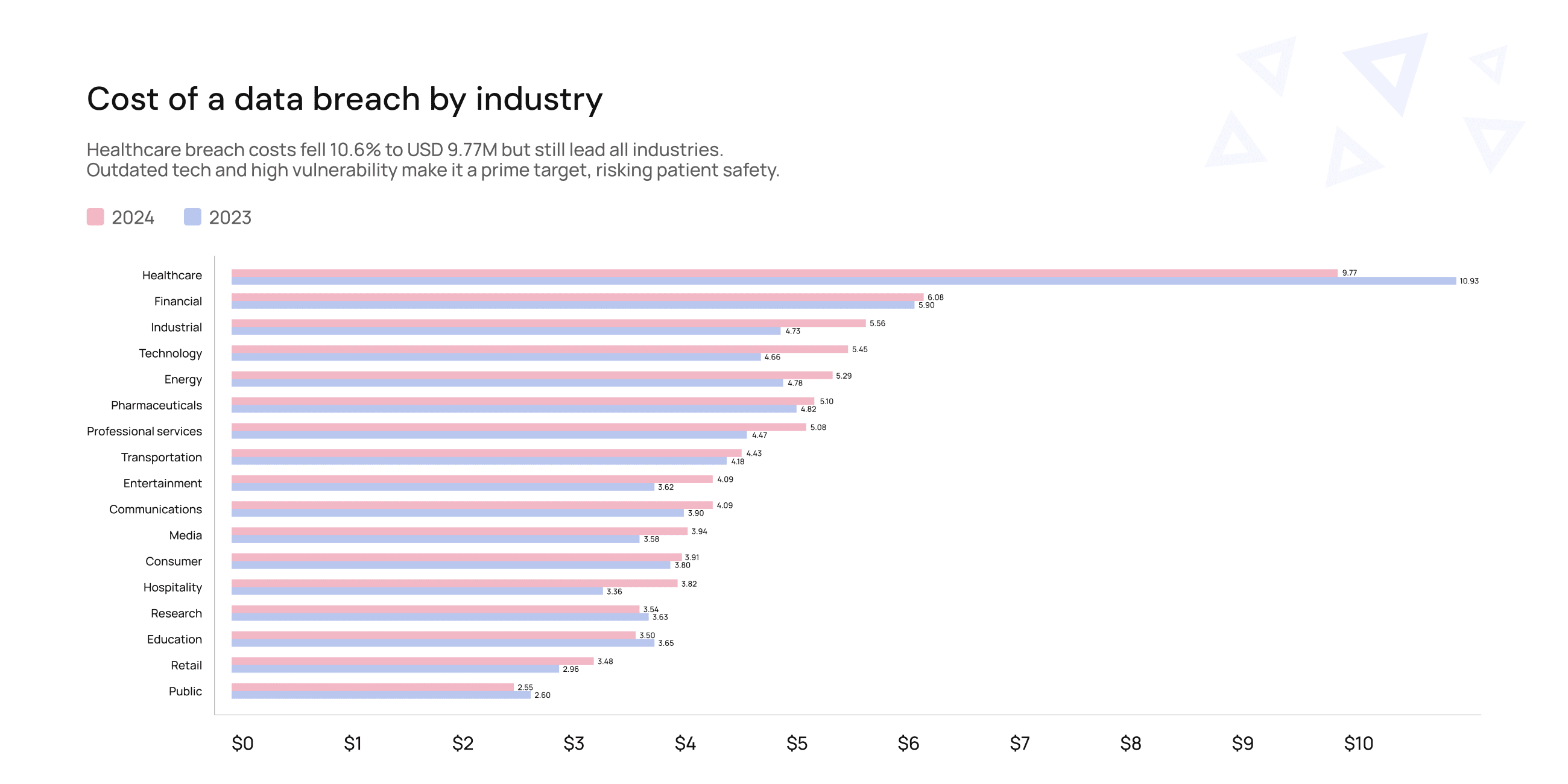
The industrial sector bore the brunt of the costliest increase in data breach expenses, with an average surge of USD 830,000 per breach year-over-year. This dramatic spike highlights the urgent need for industrial organisations to prioritise rapid response preparedness. The sensitivity of operations in this sector means downtime can have severe consequences. However, the industrial sector's performance in identifying and containing data breaches fell short of the median industry benchmark. It took an average of 199 days to identify and 73 days to contain a breach.
Several factors contribute to the high cost of data breaches in the industrial sector. Firstly, industrial organisations often have complex operational technology (OT) environments, which can make it challenging to implement effective cybersecurity measures. Additionally, the interconnectedness of industrial systems and the reliance on legacy infrastructure can provide numerous entry points for attackers. Furthermore, the highly sensitive nature of industrial data, such as intellectual property and production processes, makes it a valuable target for cybercriminals.
To address these challenges, industrial organisations need to adopt a comprehensive approach to cybersecurity. This includes implementing security controls, regularly patching software vulnerabilities, and conducting thorough risk assessments. They also need to invest in security awareness training for employees and contractors and establish incident response plans to minimise the impact of a data breach if it occurs.
The 2024 Cost of a Data Breach Report shows that the financial cost of data breaches keeps rising. AI offers significant cost-saving potential, but organisations must also deal with a widening cybersecurity skills gap and with securing data in an increasingly complex environment. The report’s findings call for proactive measures: AI-driven security, talent development and consistent protection of sensitive data.
Decide what to fix first after a vulnerability scan. Prioritise findings by asset criticality, exposure and business risk, then verify remediation.
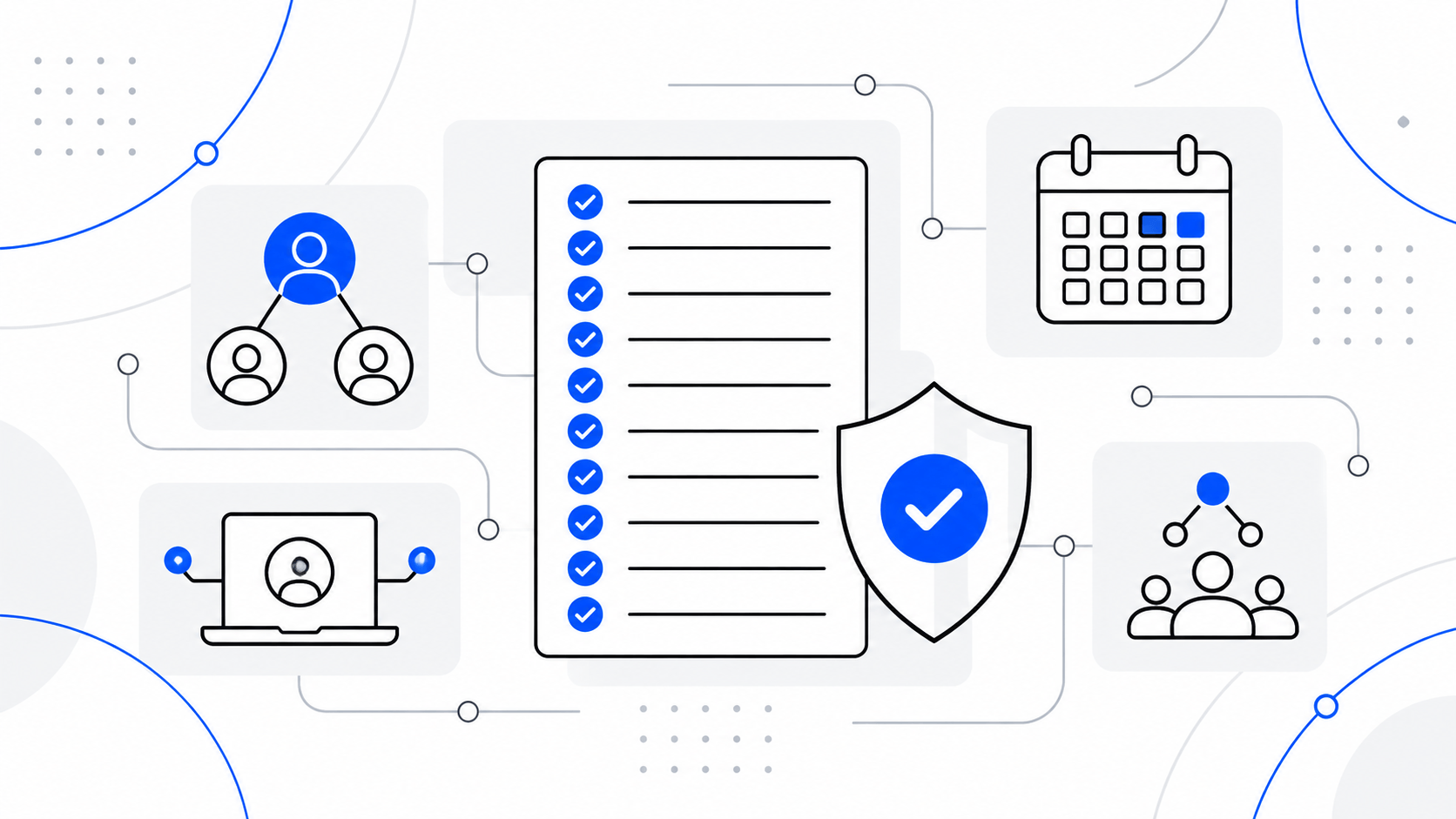
What should you prepare in the first year after registering a regulated service? A ZoKB checklist covering risks, security measures, incidents and recovery.
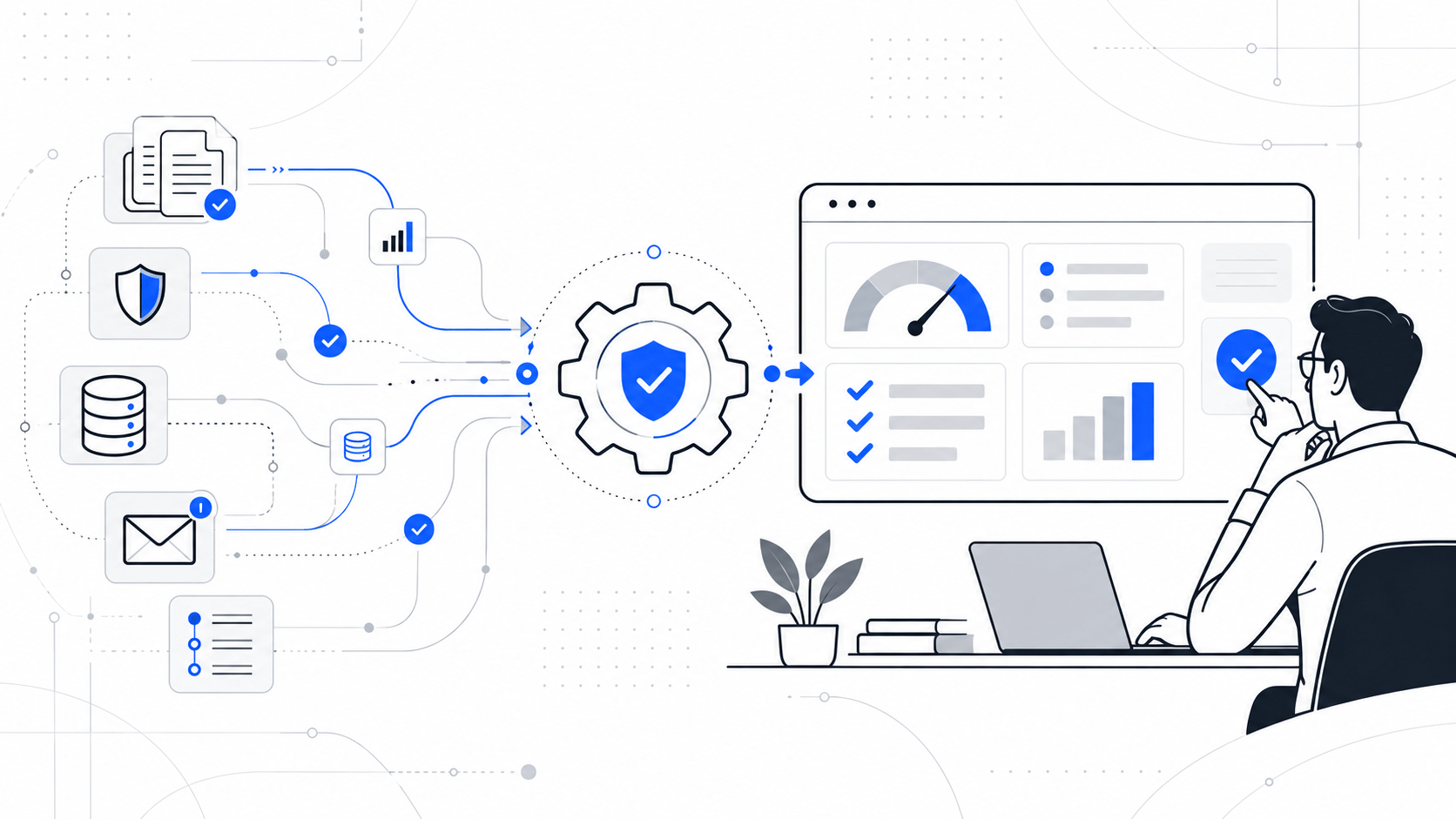
Learn which GRC activities can be automated, where AI adds value, and why evidence, control and risk decisions still require expert human judgement.
Tell us what you need to secure, automate, build or staff. A senior consultant will get back to you.
 Aleš PoláčekCEO, Whirr Crew
Whirr Crew s.r.o., Rybná 716/24, 110 00 Praha 1