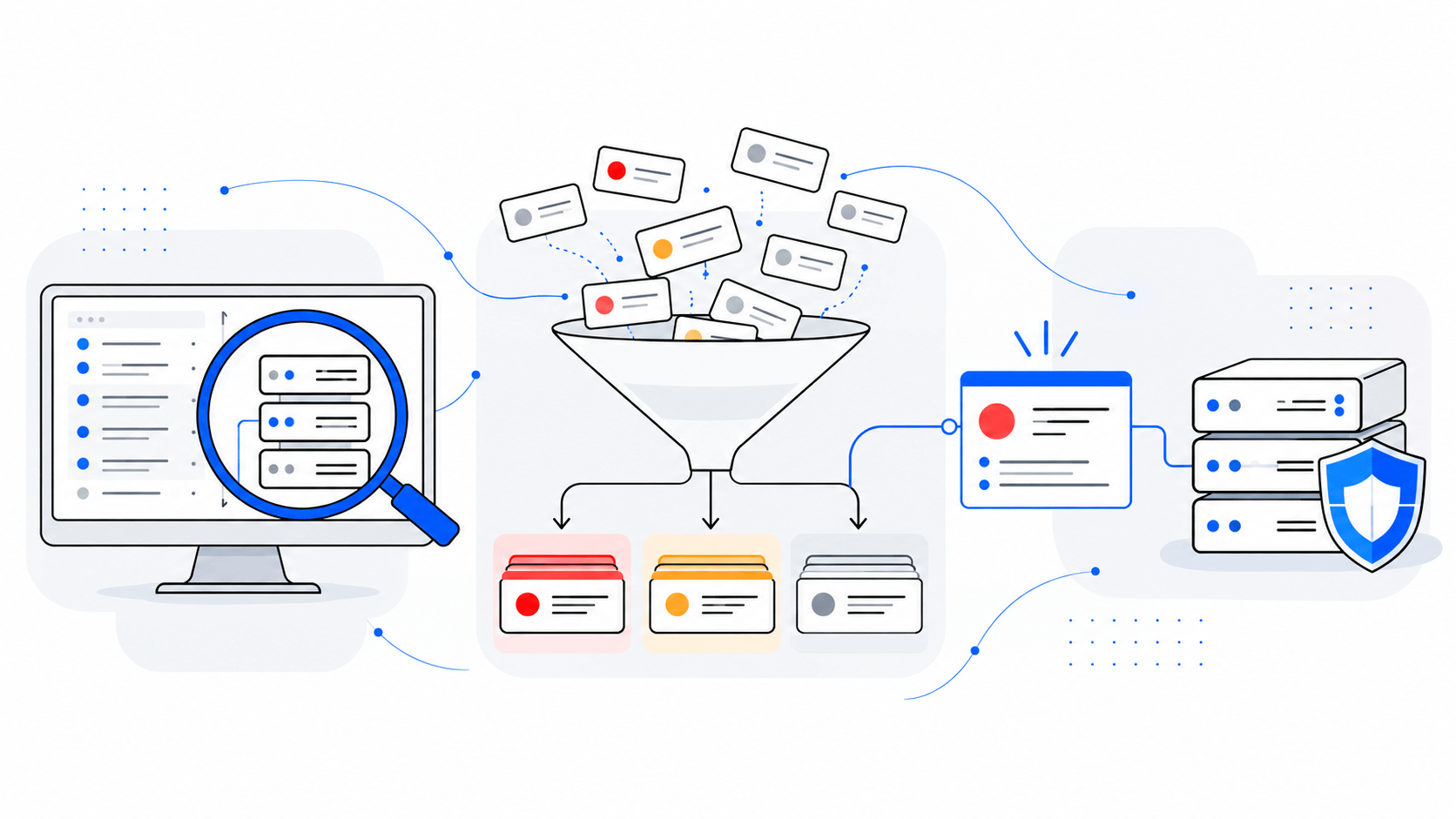
From Vulnerability Scanning to Remediation: How to Decide What to Fix First
Decide what to fix first after a vulnerability scan. Prioritise findings by asset criticality, exposure and business risk, then verify remediation.
Our products
The compliance platform built by our cybersecurity practice. Its built-in AI automates the gap analysis for NIS2 and the Czech Cybersecurity Act.
Cybersecurity
Actionable tips on how to keep data secure when you outsource IT projects to agencies or augment your IT team.

Outsourcing is a common practice for many organisations. However, with the increasing reliance on third-party providers, data security has become a major concern. This article explores the risks associated with outsourcing data, offers strategies to ensure its security, and highlights the importance of certifications, policies, and procedures.
Outsourcing data carries inherent risks, including data breaches, compromised data integrity, and unauthorised access. These risks are so significant that according to Gartner, by 2025, 60% of organisations are expected to prioritise cybersecurity when choosing third-party partners.
Compliance with regulations like GDPR or HIPAA also matters when outsourcing. Make sure your providers meet these standards to avoid penalties and protect your reputation.
Outsourcing data means entrusting sensitive information to external entities, and the relationship between an organisation and a third-party provider brings specific vulnerabilities:
To mitigate risks and safeguard data during outsourcing, consider these best practices:
Certifications demonstrate a provider's commitment to data security. Key certifications include:
Reputable providers will have data security policies and procedures in place. These may include:
When evaluating providers, inquire about their certifications, policies, procedures, technical safeguards, access management, security audits, incident response plans, data transit security, staff training, and backup and disaster recovery strategies.
Certain certifications show how seriously a provider takes data protection. ISO 27001 is the most widely recognised, with 48% of companies implementing this cybersecurity framework. An ISO 27001 certification assures clients that the provider is proactive in identifying risks, evaluating potential consequences, and implementing systematic data controls to minimise any organisational damage.
The Payment Card Industry Data Security Standard (PCI DSS) focuses specifically on securing credit card information. PCI DSS-compliant providers adhere to rigorous security standards to safeguard cardholder data from fraud and breaches.
While not solely a cybersecurity certification, ISO 9001 emphasises quality management systems. When applied to IT services, it indirectly enhances data security by ensuring processes are efficient, well-documented, and subject to continuous improvement. This certification demonstrates a provider's commitment to delivering services that meet both customer expectations and regulatory requirements.
Yes, many organisations outsource various data security roles and teams, including cybersecurity analysts, penetration testers, security architects, incident response specialists, and more. Offshoring these roles to the same provider handling other outsourced functions can enhance your security posture by ensuring close collaboration and real-time defence.
With human error in data breaches running as high as 95%, clear data security policies and procedures matter when you outsource. Approaches vary, but these are the security practices you should expect.
To assess a provider's security, ask about their certifications, policies, compliance measures, technical safeguards, access management, audits, incident response, data transit security, staff training, and backup/disaster recovery strategies.
Remember, thorough due diligence is vital when selecting an outsourcing partner. Ensure they have comprehensive data security measures in place to protect your sensitive information and minimise risks.
Outsourcing can offer significant benefits to organisations, but data security has to come first. If you understand the risks, apply best practices and work with reputable providers that have sound security measures, you can outsource with confidence and keep your data protected.
Decide what to fix first after a vulnerability scan. Prioritise findings by asset criticality, exposure and business risk, then verify remediation.
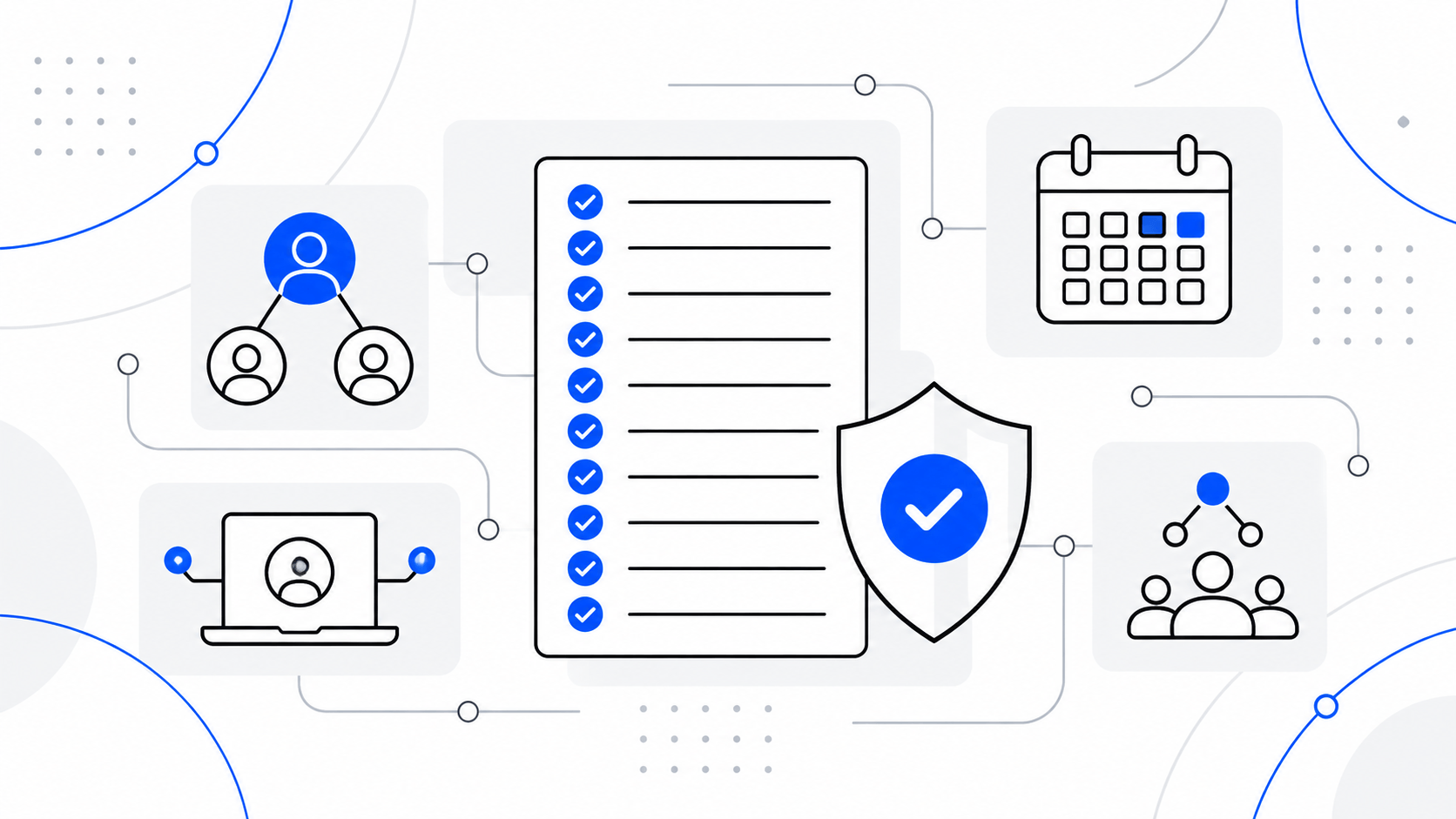
What should you prepare in the first year after registering a regulated service? A ZoKB checklist covering risks, security measures, incidents and recovery.
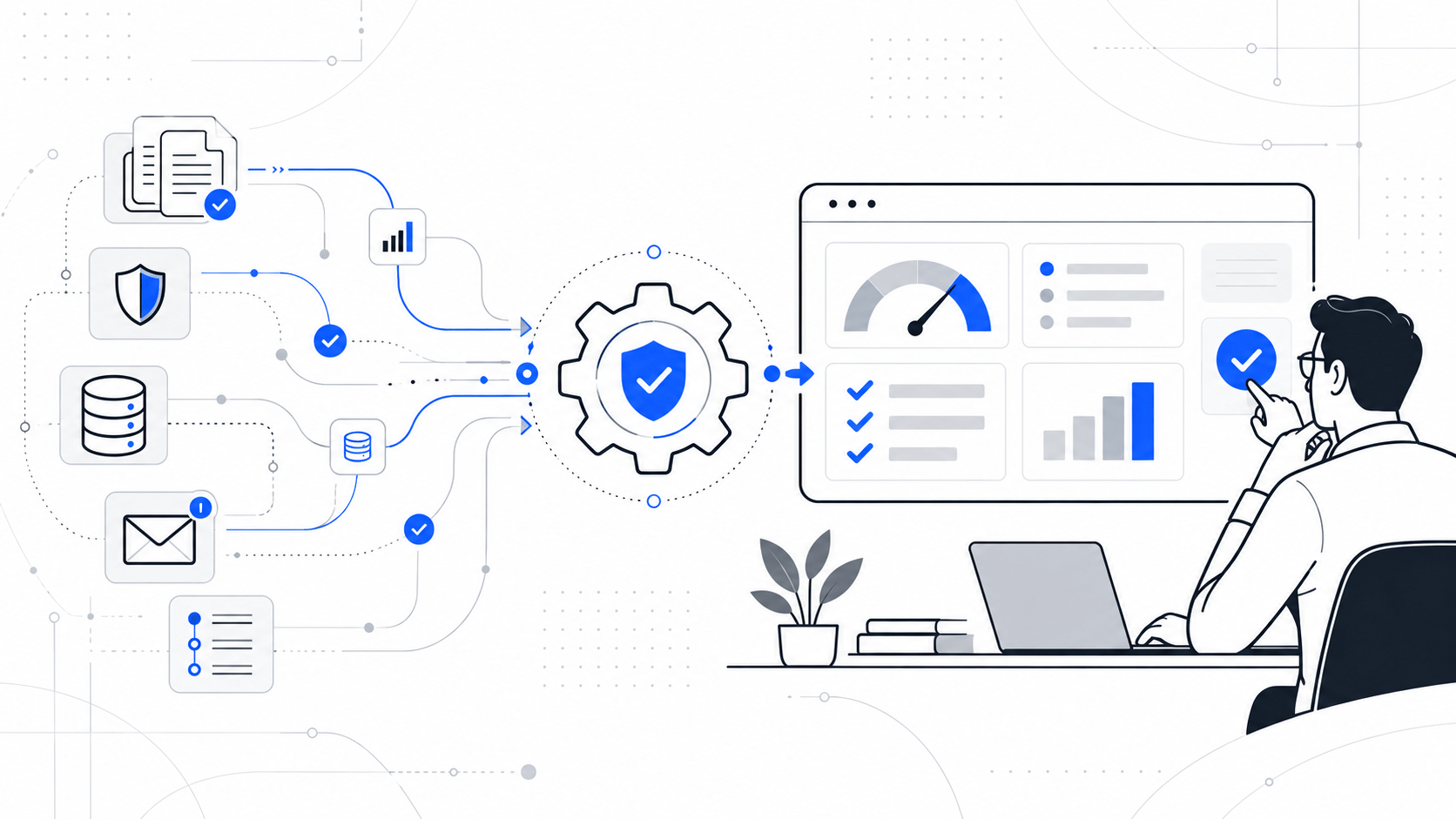
Learn which GRC activities can be automated, where AI adds value, and why evidence, control and risk decisions still require expert human judgement.
Tell us what you need to secure, automate, build or staff. A senior consultant will get back to you.
 Aleš PoláčekCEO, Whirr Crew
Whirr Crew s.r.o., Rybná 716/24, 110 00 Praha 1